Parametric curve
One parameter controls both coordinates. The length formula applies to C1 or appropriate piecewise smooth parameterizations.
Charles队长 · Bilibili · 0:24
The animation approximates a parametric curve by an inscribed polygonal path. Each chord length is the Euclidean length of the coordinate increment. For a C1 curve, refining the partition gives the integral of speed. Length counts the traversal, so repeatedly visiting an arc counts it repeatedly.
Use the learning inspector for key ideas and moments, or open the reading tabs for the complete notes.
Generated from the video's visuals and explanation; not verbatim speech.
Write the curve as , for t in [a,b]. Select points in parameter order and join them to form an inscribed polygonal path.
Each chord has length √(Δxᵢ²+Δyᵢ²). Adding these gives an approximation. At a finite partition, a chord is generally not the same length as its corresponding curved arc.
For a continuously differentiable curve, as the maximum parameter spacing tends to zero the polygonal length approaches the integral of √(φ′²+ψ′²), the speed. This computes traveled length without negative contributions. Repeated traversal of an arc counts that arc multiple times.
One parameter controls both coordinates. The length formula applies to C1 or appropriate piecewise smooth parameterizations.
Use Euclidean distance for each chord. Exact arc length comes from the refined-partition limit, not equality at a finite subdivision.
Accumulate the magnitude of the parameter velocity. The norm keeps every contribution nonnegative.
The formula counts the parameter path traveled. Retracing a segment counts it again; it does not deduplicate the geometric image.
The animation integrates speed to obtain the length of a continuously differentiable or suitably piecewise smooth parametric curve. Chord lengths approximate the traversal before refinement. The nonnegative integral counts retraced portions again rather than deduplicating the geometric image.
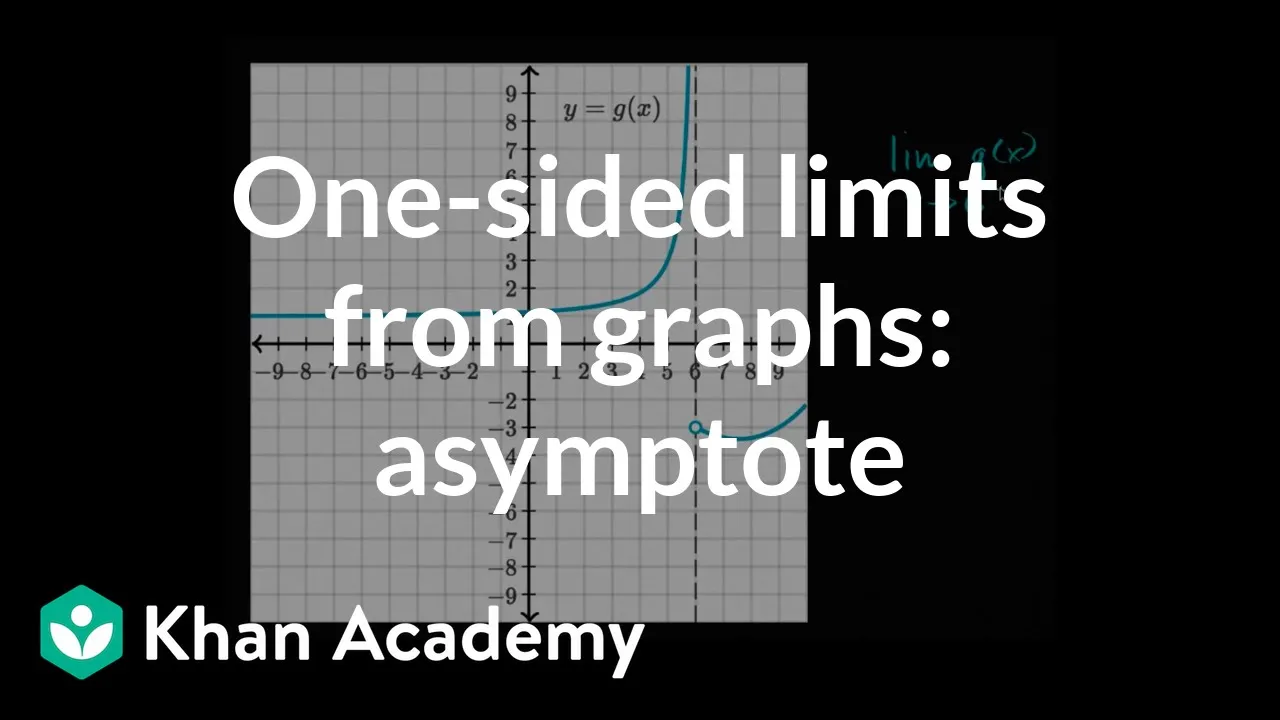 YouTube2:26
Prerequisite in Calculus: Limits → Definite integrals.
Limits · View learning sequence YouTube3:52
Next in Calculus: Definite integrals → Integration by parts.
Integration by parts · View learning sequence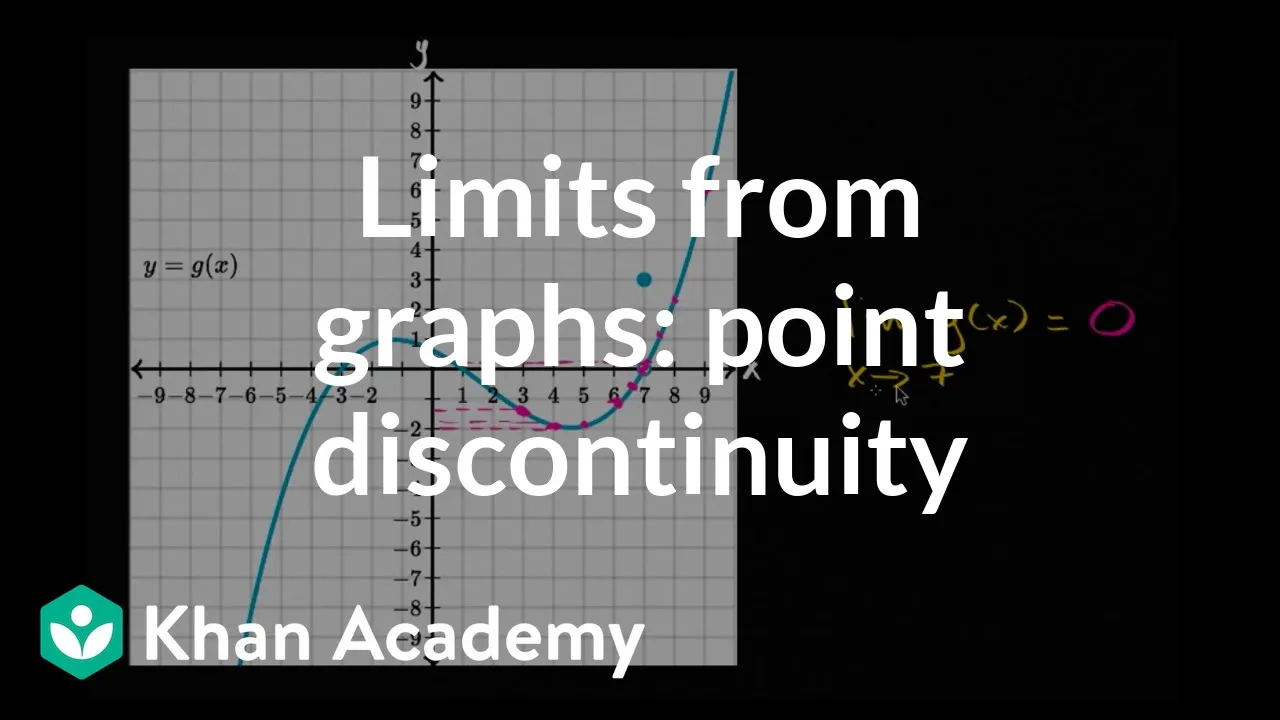 YouTube2:38
Prerequisite in Calculus: Limits → Definite integrals.
Limits · View learning sequence YouTube2:28
English video covering Definite integrals; the current video is in Chinese.
Definite integrals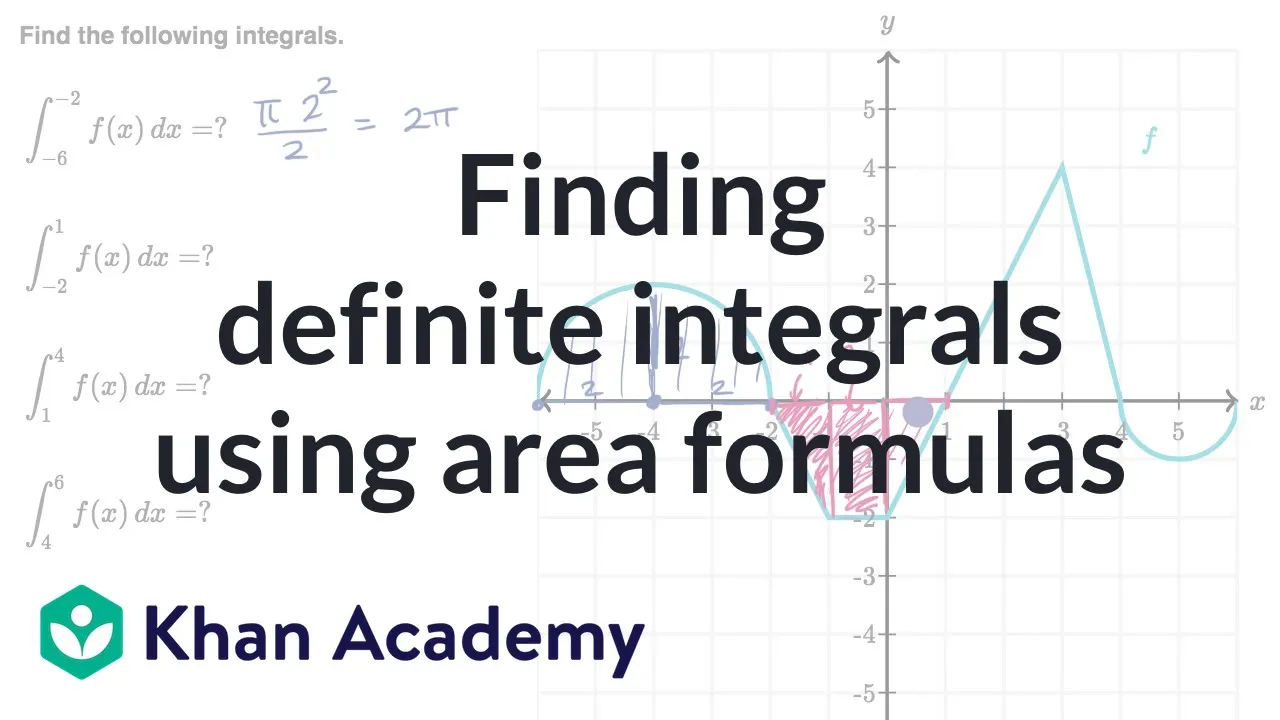 YouTube4:16
English video covering Definite integrals; the current video is in Chinese.
Definite integrals YouTube4:26
English video covering Definite integrals; the current video is in Chinese.
Definite integralsYouTube2:28Explanation of Definite integrals, complementing the current application.
Definite integralsYouTube4:16Explanation of Definite integrals, complementing the current application.
Definite integralsYouTube4:26Explanation of Definite integrals, complementing the current application.
Definite integrals