The x partial derivative
Hold y fixed and take the difference-quotient limit along x.
Charles队长 · Bilibili · 0:30
Fixing one variable gives a vertical cross-section of a surface. With fixed, the tangent slope is ; with fixed, it is . The planes are parallel to xz and yz respectively, connecting surface behavior with one-variable differentiation.
Use the learning inspector for key ideas and moments, or open the reading tabs for the complete notes.
Generated from the video's visuals and explanation; not verbatim speech.
Choose the surface point (a,b,) on . To study coordinate-direction changes, hold one input fixed instead of moving both at once.
Fix . The vertical cutting plane is parallel to xz and gives the one-variable curve . Its tangent slope at is , the instantaneous rate when only x changes.
Fix instead. A plane parallel to yz gives , whose tangent slope at is . These slopes describe different coordinate directions and need not agree.
A partial derivative is an ordinary derivative with the remaining inputs fixed. Two coordinate tangents alone do not guarantee a tangent-plane approximation in all directions; differentiability requires stronger uniform error control.
Hold y fixed and take the difference-quotient limit along x.
Hold x fixed and obtain the tangent slope in the other cross-section.
The plane is parallel to xz; is parallel to yz. These relationships should not be swapped.
Two partial derivatives control coordinate sections only. Their existence alone does not imply continuity or differentiability in the plane.
The reviewed coordinate-derivative card fixes y and computes a difference-quotient limit as x varies, interpreting as the slope of the corresponding section curve. Fixing x similarly gives . These are coordinate partial derivatives; their existence alone does not guarantee continuity or total differentiability in the plane.
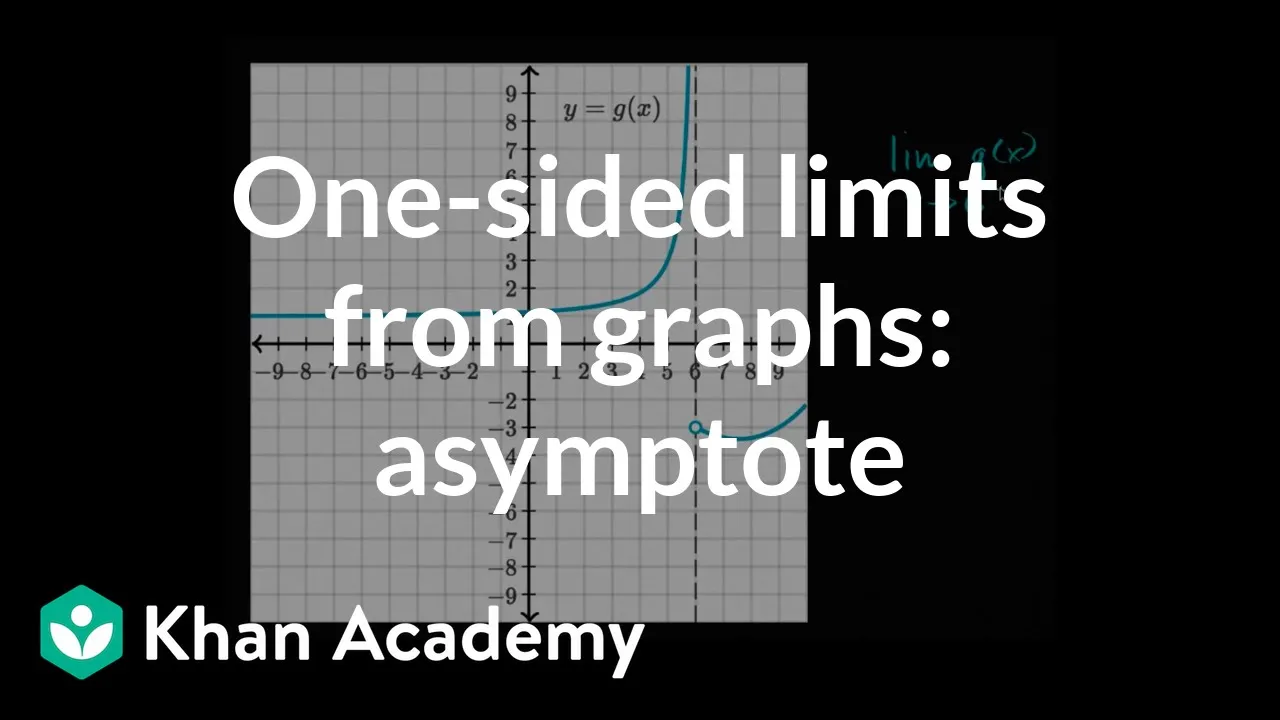 YouTube2:26
Prerequisite in Calculus: Limits → Derivatives.
Limits · View learning sequence YouTube3:52
Next in Calculus: Derivatives → Integration by parts.
Integration by parts · View learning sequence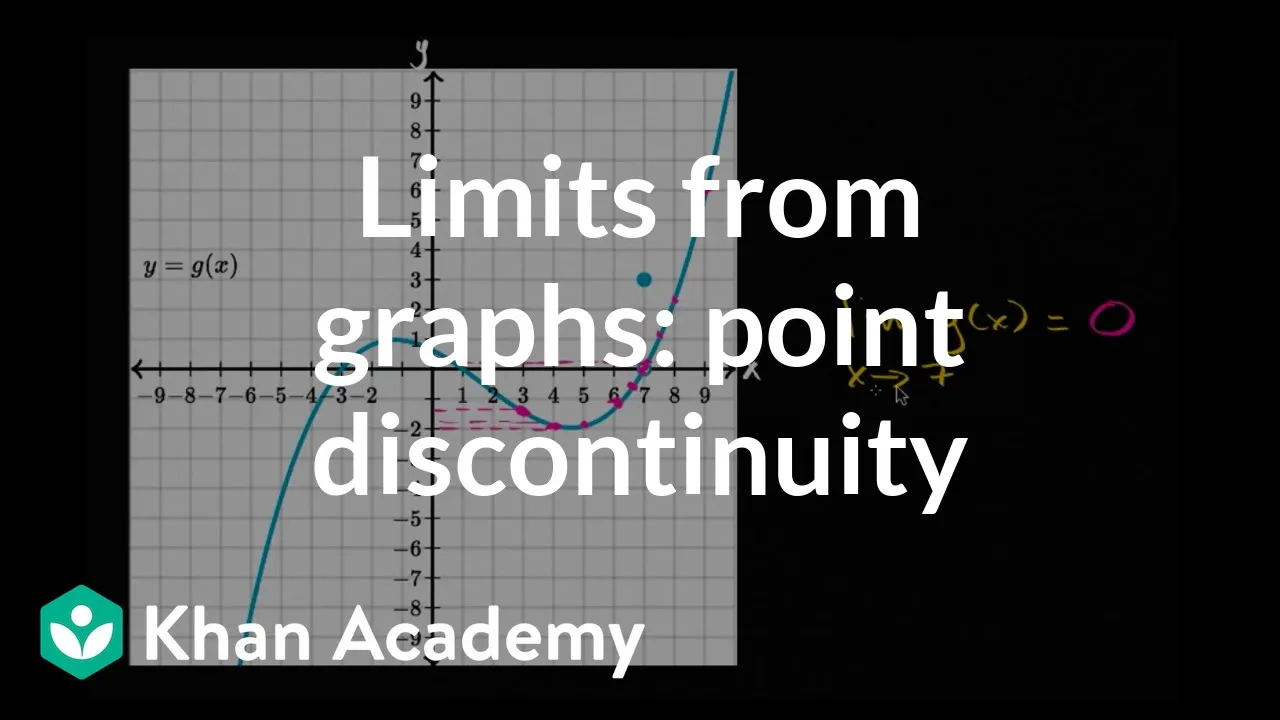 YouTube2:38
Prerequisite in Calculus: Limits → Derivatives.
Limits · View learning sequence Bilibili5:38
English video covering Derivatives; the current video is in Chinese.
Derivatives YouTube2:39
English video covering Derivatives; the current video is in Chinese.
Derivatives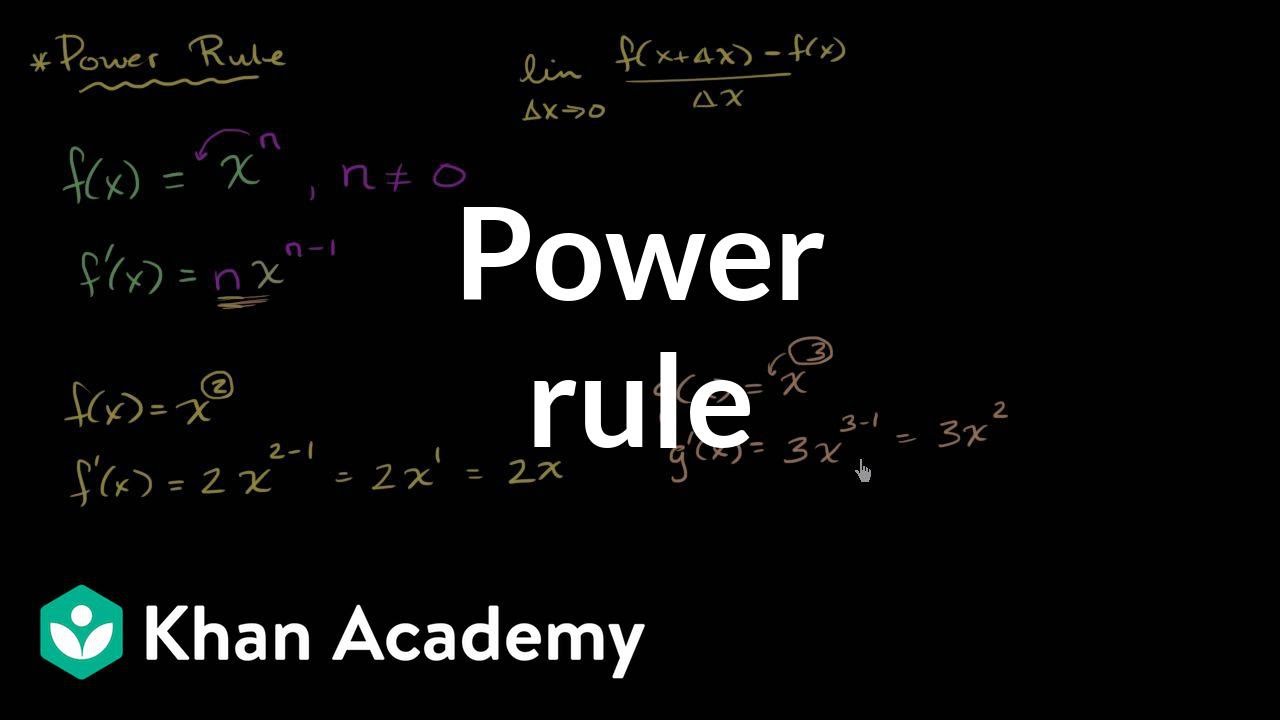 YouTube3:53
English video covering Derivatives; the current video is in Chinese.
DerivativesYouTube2:39Whiteboard for Derivatives, compared with the current visual explanation.
DerivativesYouTube3:53Whiteboard for Derivatives, compared with the current visual explanation.
Derivatives