Concept of Directional Derivative
A directional derivative measures change along a specified unit direction, which may also be a coordinate-axis direction.
Charles队长 · Bilibili · 0:31
This video visually demonstrates the geometric relationship between directional derivatives and gradients using a 3D surface animation. It shows tangent lines at various angles representing rates of change in different directions, presents the formula for calculating these values, and concludes that the maximum rate of change occurs in the direction of the gradient vector.
Use the learning inspector for key ideas and moments, or open the reading tabs for the complete notes.
Generated from the video's visuals and explanation; not verbatim speech.
The segment introduces the topic 'Directional Derivatives and Gradients', exploring how multivariable functions change along specific paths. The visual focus is a downward-opening paraboloid grid.
At a point near the peak, multiple red tangent lines are drawn in different horizontal directions. Text on screen explains that the slope of these tangents represents the directional derivative value for each respective direction. This illustrates that the rate of change depends entirely on the chosen path orientation.
A mathematical formula appears: ∂ = (∂f/∂x)cosθ + (∂f/∂y)sinθ, showing how partial derivatives combine based on angle θ. A yellow arrow labeled 'grad f' emerges, indicating the gradient vector. The final text states two key properties: first, the direction yielding the maximum derivative is exactly the gradient's direction; second, the magnitude of this maximum value equals the norm of the gradient vector itself. This assumes differentiability and compares unit directions. At a zero gradient all these rates are zero.
A directional derivative measures change along a specified unit direction, which may also be a coordinate-axis direction.
For a function of two variables, the directional derivative is computed as the dot product of the gradient and the unit direction vector, expanding into sine and cosine components. The gradient dot-product formula requires differentiability at the point; existence of the two partial derivatives alone is insufficient.
For a differentiable function with nonzero gradient, the gradient direction maximizes the derivative over unit directions. If the gradient is zero, every unit-direction derivative is zero and there is no unique steepest-ascent direction.
The steepest possible slope at any given point corresponds numerically to the length (norm) of the gradient vector located there.
This video visually demonstrates the geometric relationship between directional derivatives and gradients using a 3D surface animation. It shows tangent lines at various angles representing rates of change in different directions, presents the formula for calculating these values, and concludes that the maximum rate of change occurs in the direction of the gradient vector.
This video visually demonstrates the geometric relationship between directional derivatives and gradients using a 3D surface animation. It shows tangent lines at various angles representing rates of change in different directions, presents the formula for calculating these values, and concludes that the maximum rate of change occurs in the direction of the gradient vector.
The reviewed calculation card explains for a function differentiable at the point and a unit direction . Existence of partial derivatives alone is insufficient. A nonzero gradient gives the steepest-ascent direction; a zero gradient gives zero in all unit directions with no unique maximizing direction.
 Bilibili11:02
Prerequisite in Calculus: Partial derivatives → Gradient.
Partial derivatives · View learning sequence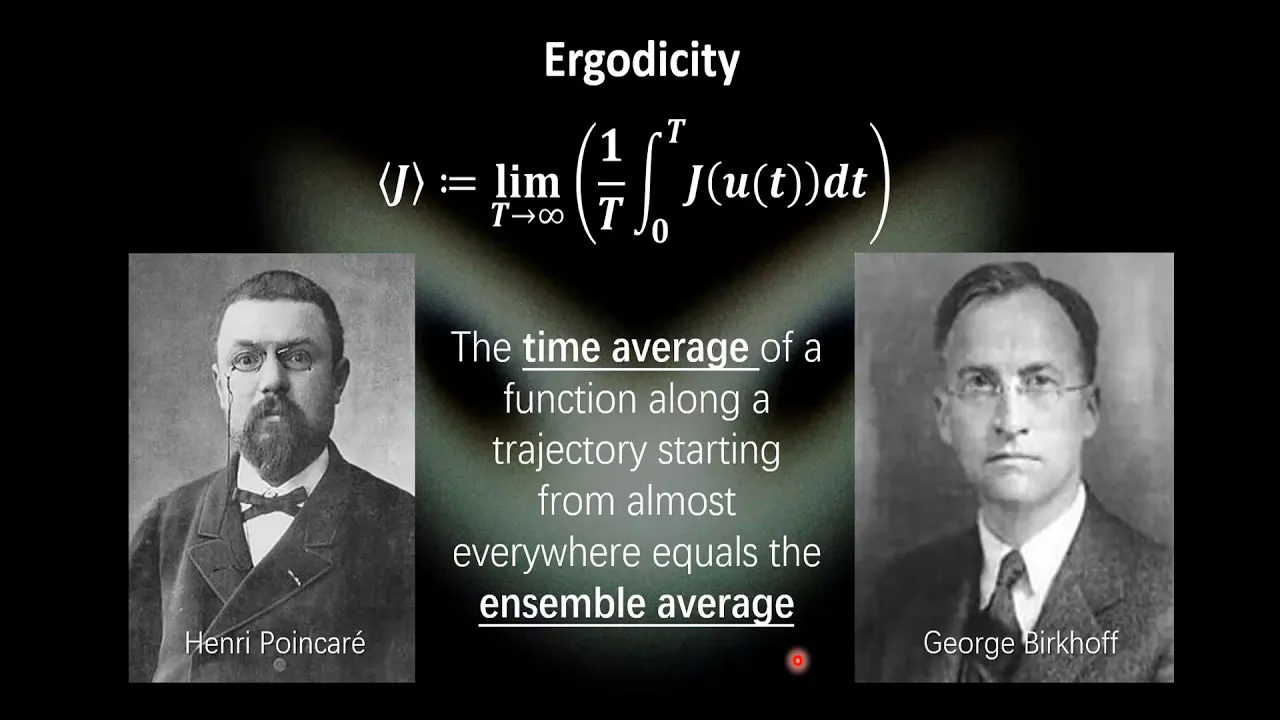 YouTube5:11
Next in Ordinary Differential Equations: Derivatives → Ordinary differential equations.
Ordinary differential equations · View learning sequence YouTube4:16
Next in Calculus: Derivatives → Chain rule.
Chain rule · View learning sequence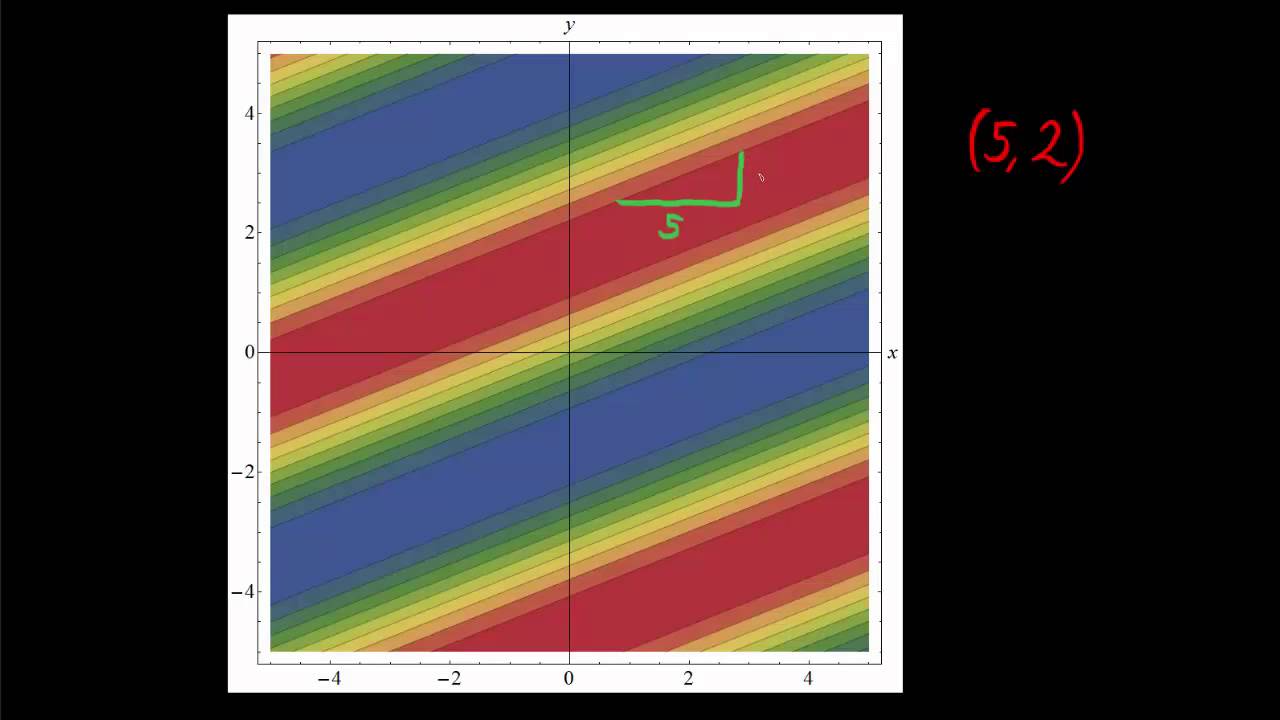 YouTube10:39
English video covering Gradient; the current video is in Chinese.
GradientEnglish video covering Directional derivatives; the current video is in Chinese.
Directional derivatives YouTube7:14
English video covering Directional derivatives; the current video is in Chinese.
Directional derivativesEnglish video covering Gradient; the current video is in Chinese.
Gradient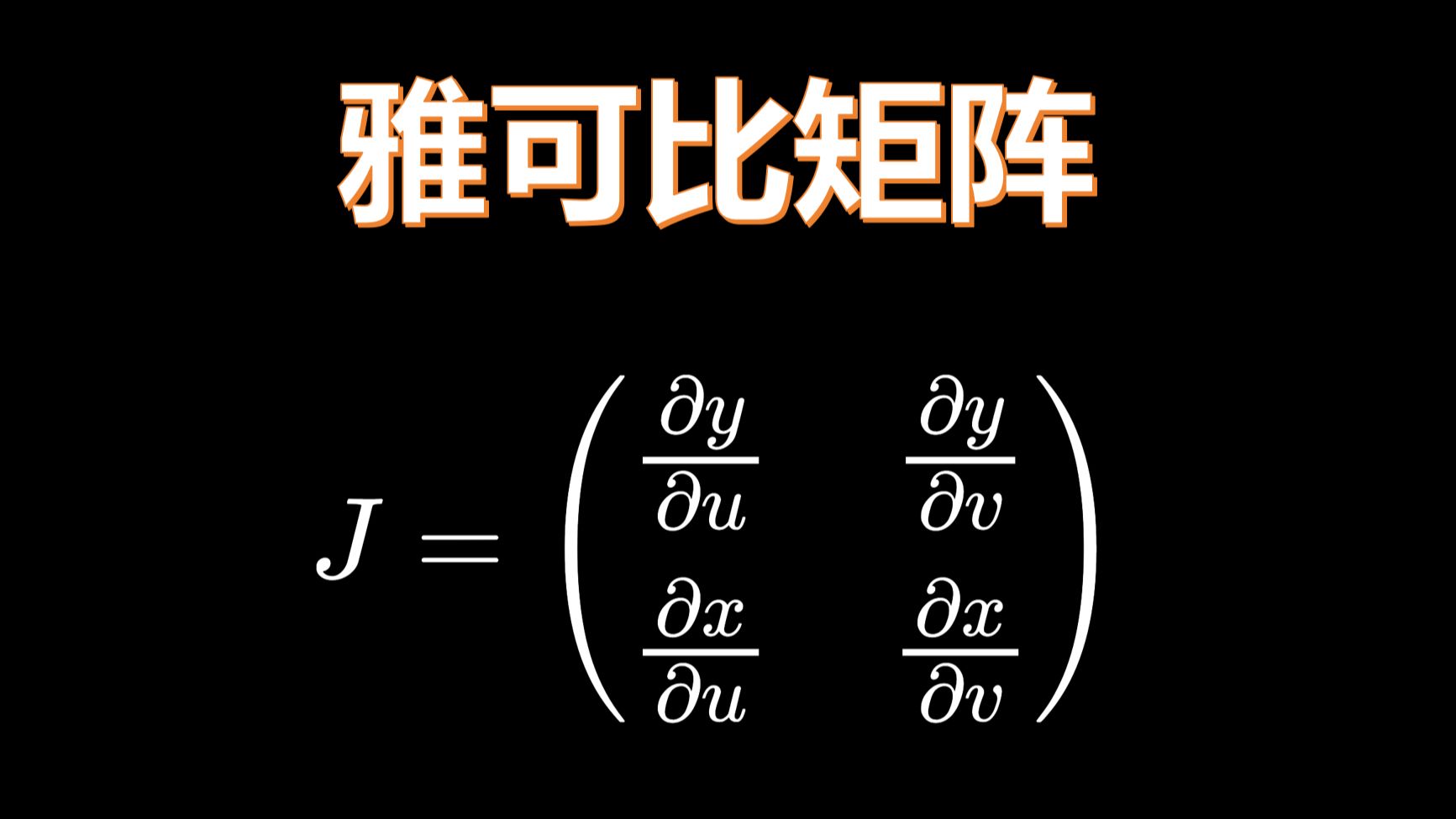 Bilibili18:45.61200000000008
English video covering Gradient; the current video is in Chinese.
GradientYouTube10:39Whiteboard for Gradient, compared with the current visual explanation.
GradientWhiteboard for Directional derivatives, compared with the current visual explanation.
Directional derivativesYouTube7:14Whiteboard for Directional derivatives, compared with the current visual explanation.
Directional derivativesApplication of Gradient, complementing the current explanation.
GradientBilibili18:45.61200000000008Whiteboard for Gradient, compared with the current visual explanation.
Gradient