Difference quotient
The derivative is when this finite limit exists. Substitute everywhere in the original expression.
The Organic Chemistry Tutor · YouTube · 23:31
Work from the limit definition of the derivative, using cancellation and conjugates for polynomial, reciprocal and radical examples.
Use the learning inspector for key ideas and moments, or open the reading tabs for the complete notes.
Generated from the video's visuals and explanation; not verbatim speech.
The derivative is when this finite limit exists. Substitute everywhere in the original expression.
For ², expanding the numerator gives 2xh+h². For nonzero h the quotient becomes , whose limit is 2x.
For =√x, multiply by the conjugate to cancel h. At the limit yields ; the formula does not give a finite derivative at .
The derivative is when this finite limit exists. Substitute everywhere in the original expression.
For ², expanding the numerator gives 2xh+h². For nonzero h the quotient becomes , whose limit is 2x.
For =√x, multiply by the conjugate to cancel h. At the limit yields ; the formula does not give a finite derivative at .
The derivative is when this finite limit exists. Substitute everywhere in the original expression. For ², expanding the numerator gives 2xh+h². For nonzero h the quotient becomes , whose limit is 2x. For =√x, multiply by the conjugate to cancel h. At the limit yields ; the formula does not give a finite derivative at .
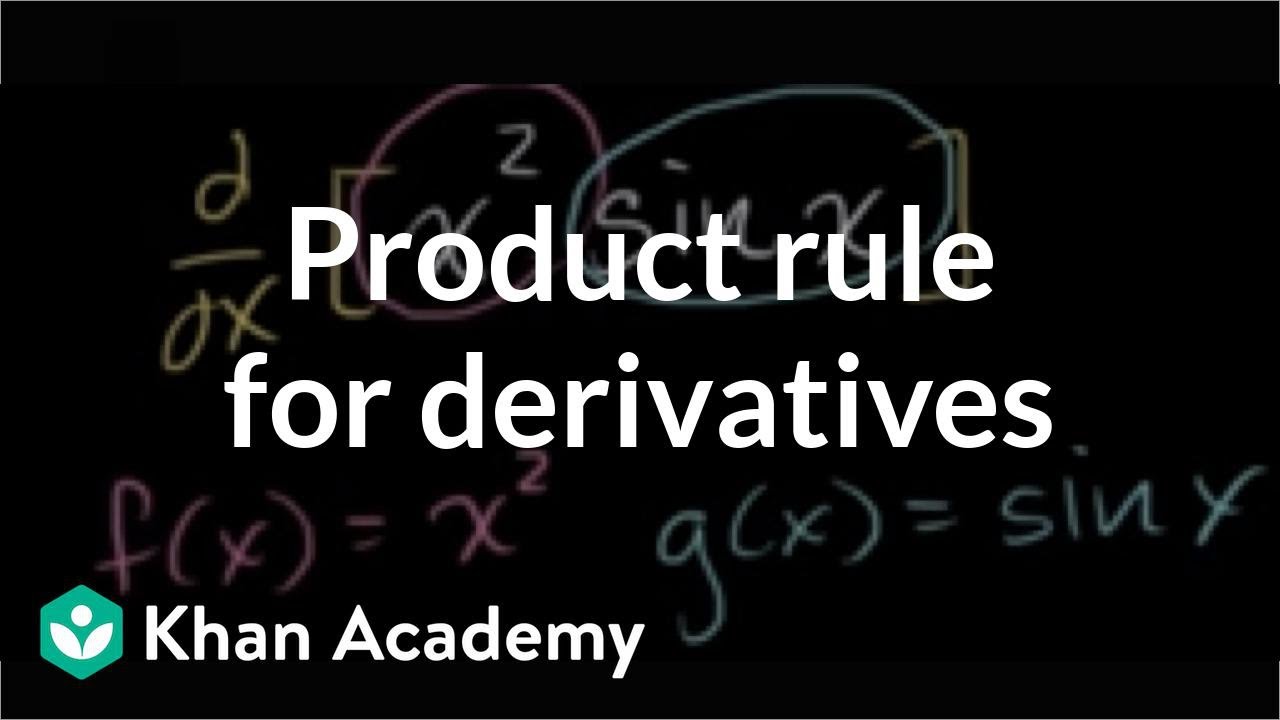 YouTube2:39
Another explanation of Derivatives.
Derivatives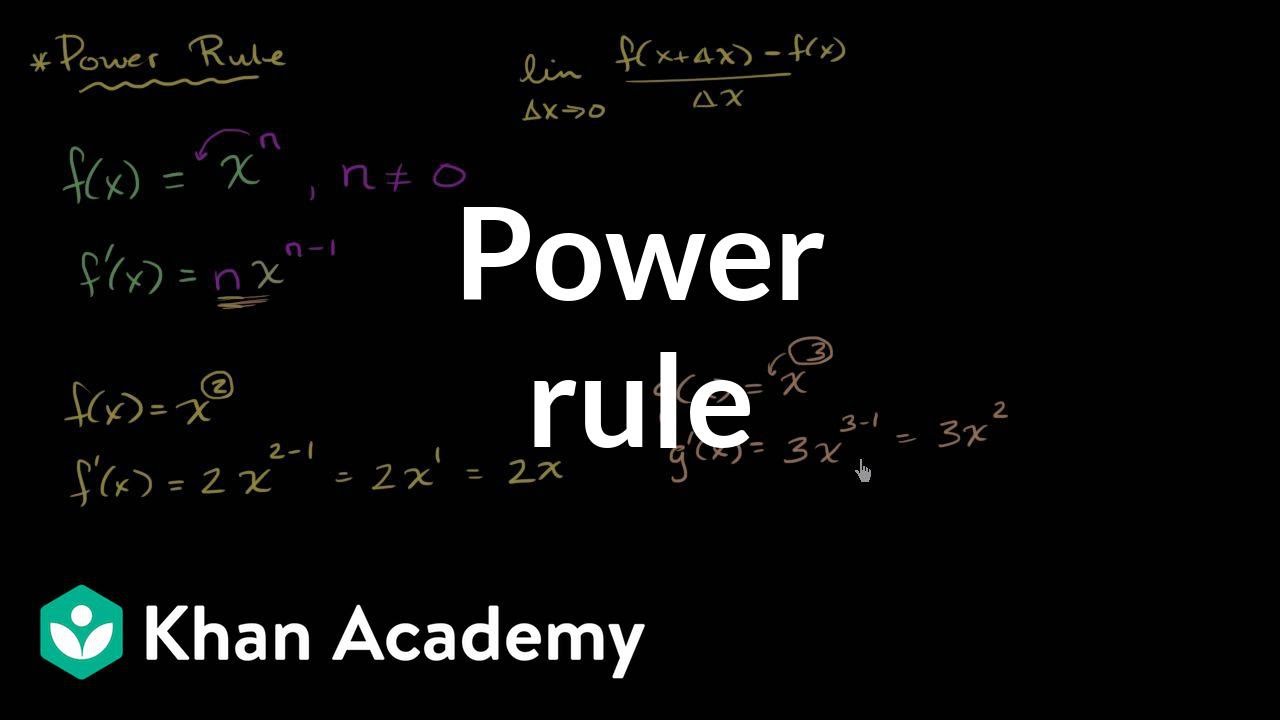 YouTube3:53
Another explanation of Derivatives.
Derivatives YouTube4:16
Next in Calculus: Derivatives → Chain rule.
Chain rule · View learning sequence YouTube3:55
Next in Calculus: Derivatives → Chain rule.
Chain rule · View learning sequence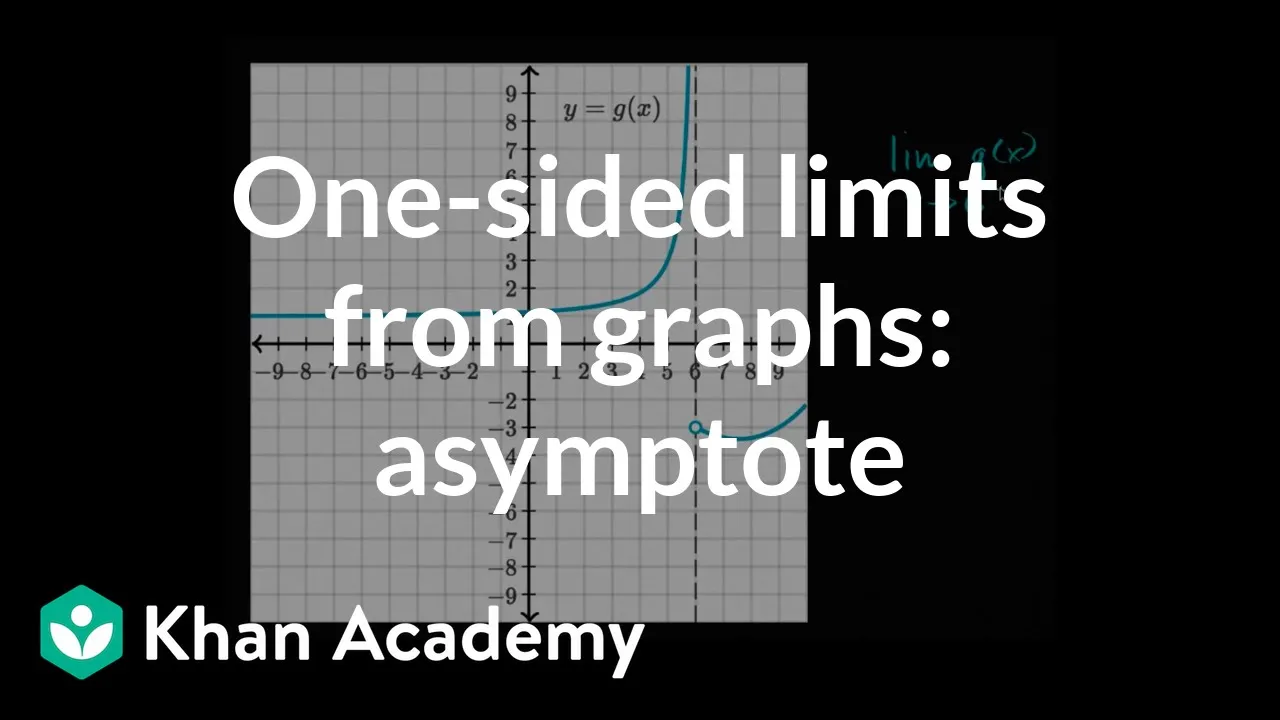 YouTube2:26
Prerequisite in Calculus: Limits → Derivatives.
Limits · View learning sequence Bilibili5:38
Visual explanation for Derivatives, compared with the current whiteboard.
Derivatives YouTube3:58
Visual explanation for Derivatives, compared with the current whiteboard.
Derivatives