Domain and range
The domain is the set of allowed inputs. The range is the set of outputs actually attained and may be smaller than the stated output set or codomain.
mathantics · YouTube · 11:34
Define a function by one output per input and connect tables, graphs and function notation.
Use the learning inspector for key ideas and moments, or open the reading tabs for the complete notes.
Generated from the video's visuals and explanation; not verbatim speech.
The domain is the set of allowed inputs. The range is the set of outputs actually attained and may be smaller than the stated output set or codomain.
The relation y²=x permits both and when , so it is not a single-valued function y of x without a branch restriction. By contrast gives one output per input.
In , f names the function and the parentheses indicate its input; this is not multiplication of f by x. Turning input-output pairs into plotted points connects the table and graph descriptions.
The domain is the set of allowed inputs. The range is the set of outputs actually attained and may be smaller than the stated output set or codomain.
The relation y²=x permits both and when , so it is not a single-valued function y of x without a branch restriction. By contrast gives one output per input.
In , f names the function and the parentheses indicate its input; this is not multiplication of f by x. Turning input-output pairs into plotted points connects the table and graph descriptions.
The domain is the set of allowed inputs. The range is the set of outputs actually attained and may be smaller than the stated output set or codomain. The relation y²=x permits both and when , so it is not a single-valued function y of x without a branch restriction. By contrast gives one output per input. In , f names the function and the parentheses indicate its input; this is not multiplication of f by x. Turning input-output pairs into plotted points connects the table and graph descriptions.
 YouTube7:51
Another explanation of Functions.
Functions YouTube10:11
Another explanation of Functions.
Functions X1:41
X1:41Next in Discrete Mathematics: Counting and Number Theory: Functions → Combinatorial counting.
Combinatorial counting · View learning sequence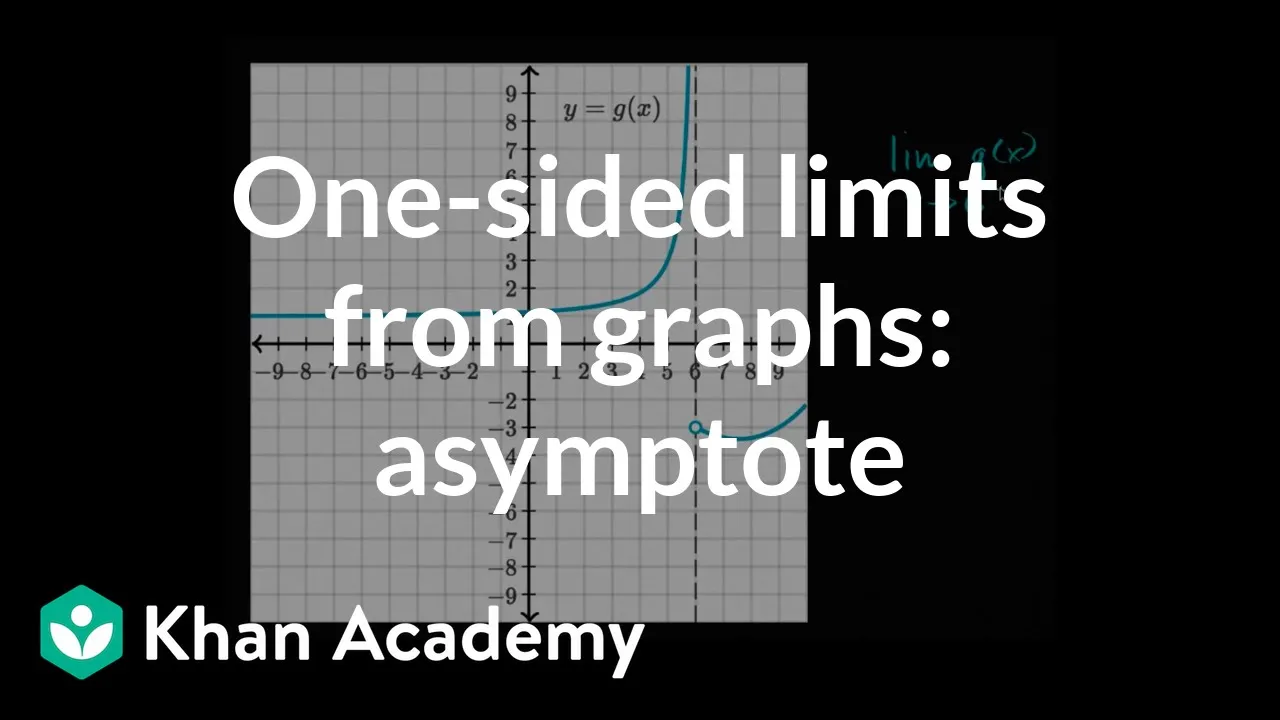 YouTube2:26
Next in Calculus: Functions → Limits.
Limits · View learning sequence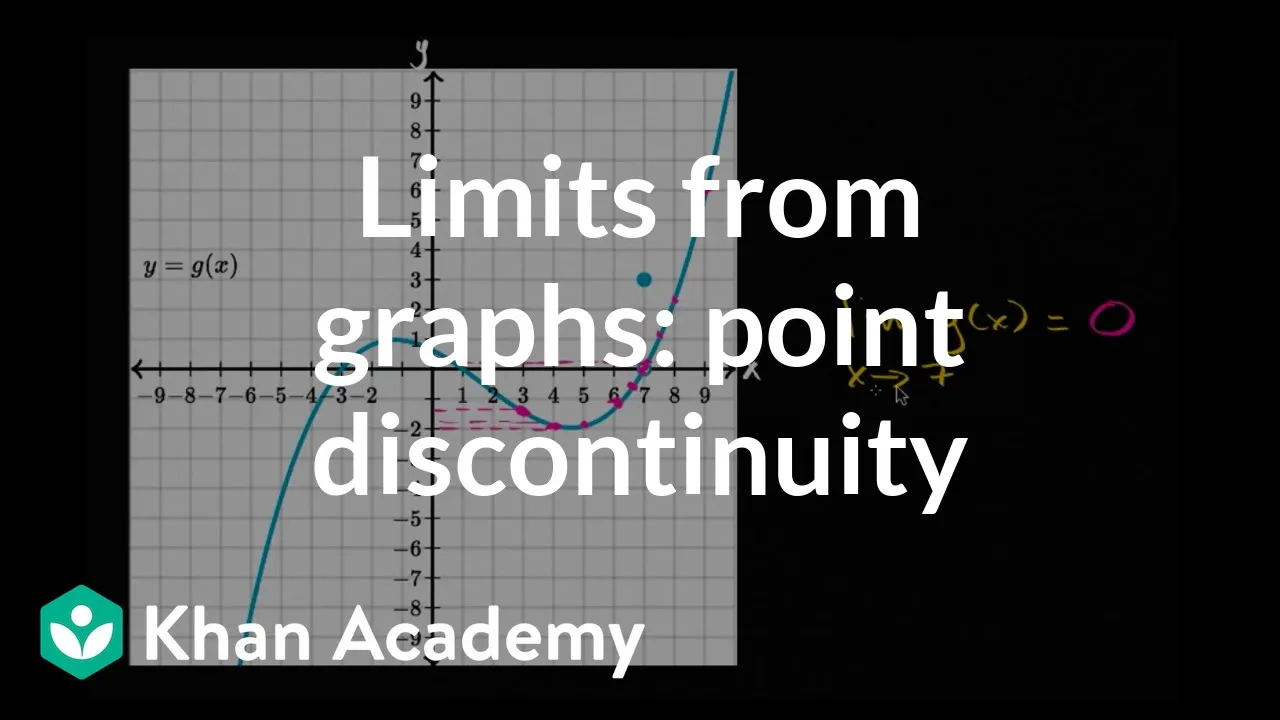 YouTube2:38
Next in Calculus: Functions → Limits.
Limits · View learning sequence YouTube5:51
Whiteboard for Functions, compared with the current lecture.
FunctionsYouTube10:11Visual explanation for Functions, compared with the current lecture.
Functions YouTube9:33
Whiteboard for Functions, compared with the current lecture.
Functions