Inside versus outside shifts
Adding 2 outside x² moves the graph up two units. Replacing x by moves it left two units; input changes act differently from output changes.
Professor Dave Explains · YouTube · 7:51
Transform function graphs using shifts, stretches and reflections, then combine the changes in a parabola.
Use the learning inspector for key ideas and moments, or open the reading tabs for the complete notes.
Generated from the video's visuals and explanation; not verbatim speech.
Adding 2 outside x² moves the graph up two units. Replacing x by moves it left two units; input changes act differently from output changes.
Multiplying the function output by 2 doubles vertical distances from the horizontal axis. A negative outside multiplier also reflects the graph across that axis.
The graph of −²+4 comes from x² by shifting right three, stretching vertically by two and reflecting, then shifting up four. Its vertex is (3,4).
Adding 2 outside x² moves the graph up two units. Replacing x by moves it left two units; input changes act differently from output changes.
Multiplying the function output by 2 doubles vertical distances from the horizontal axis. A negative outside multiplier also reflects the graph across that axis.
The graph of −²+4 comes from x² by shifting right three, stretching vertically by two and reflecting, then shifting up four. Its vertex is (3,4).
Adding 2 outside x² moves the graph up two units. Replacing x by moves it left two units; input changes act differently from output changes. Multiplying the function output by 2 doubles vertical distances from the horizontal axis. A negative outside multiplier also reflects the graph across that axis. The graph of −²+4 comes from x² by shifting right three, stretching vertically by two and reflecting, then shifting up four. Its vertex is (3,4).
 YouTube10:11
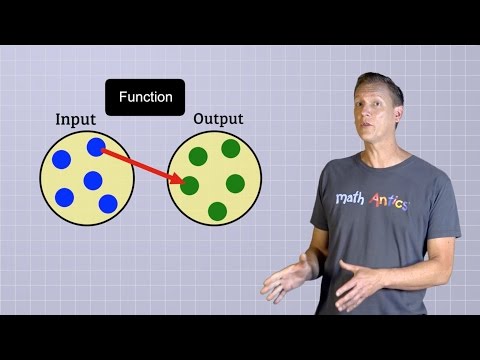
Another explanation of Functions.
Functions X1:41
X1:41Next in Discrete Mathematics: Counting and Number Theory: Functions → Combinatorial counting.
Combinatorial counting · View learning sequence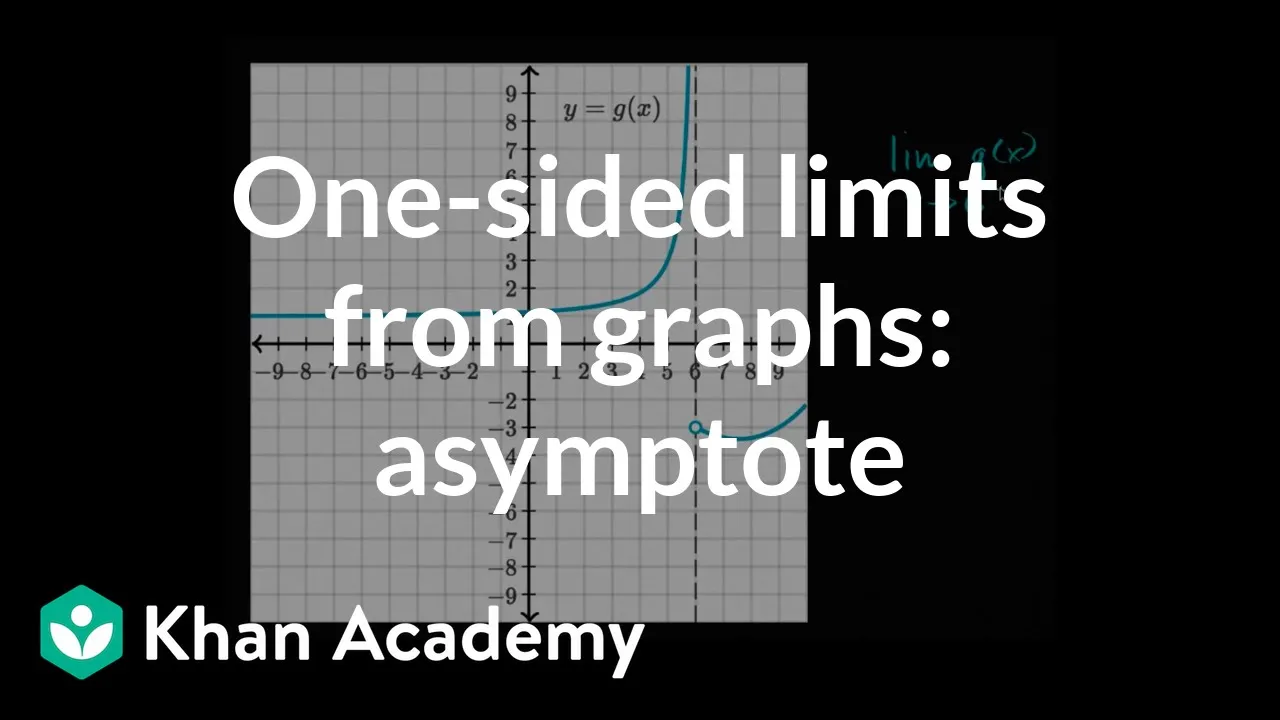 YouTube2:26
Next in Calculus: Functions → Limits.
Limits · View learning sequence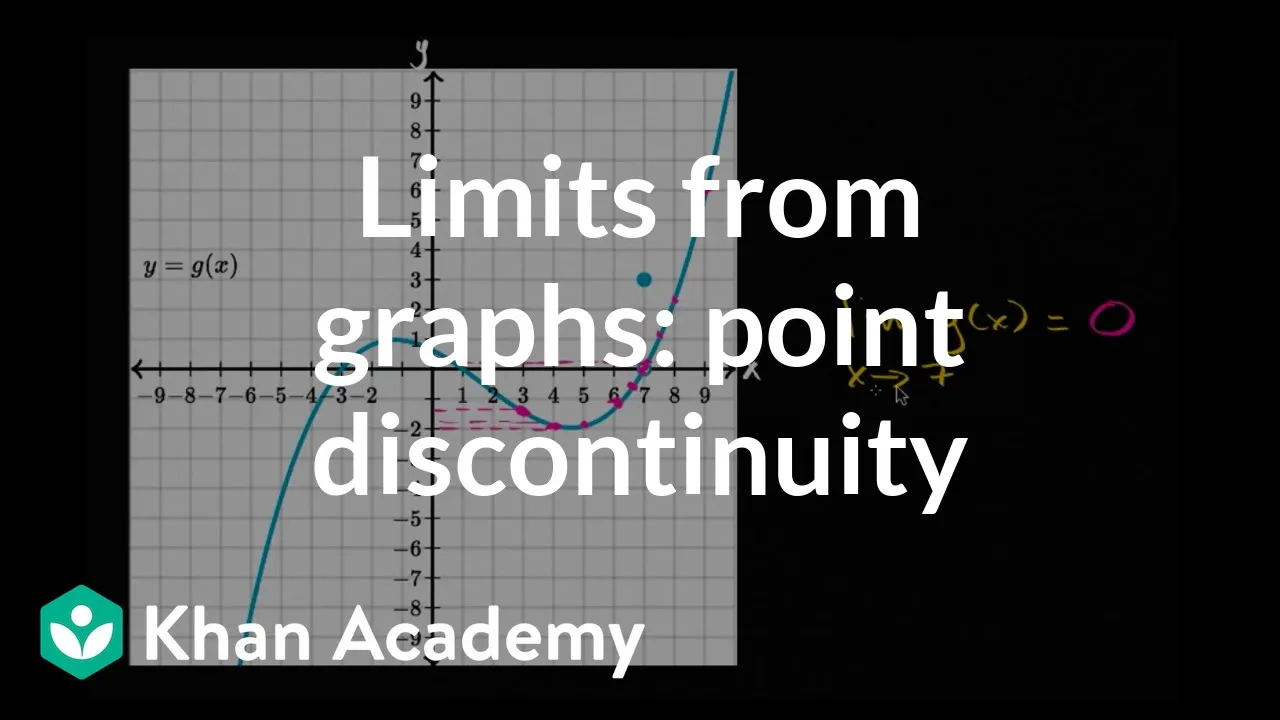 YouTube2:38
Next in Calculus: Functions → Limits.
Limits · View learning sequence YouTube5:51
Whiteboard for Functions, compared with the current lecture.
FunctionsYouTube10:11Visual explanation for Functions, compared with the current lecture.
Functions YouTube9:33
Whiteboard for Functions, compared with the current lecture.
Functions